Abraum (2026)
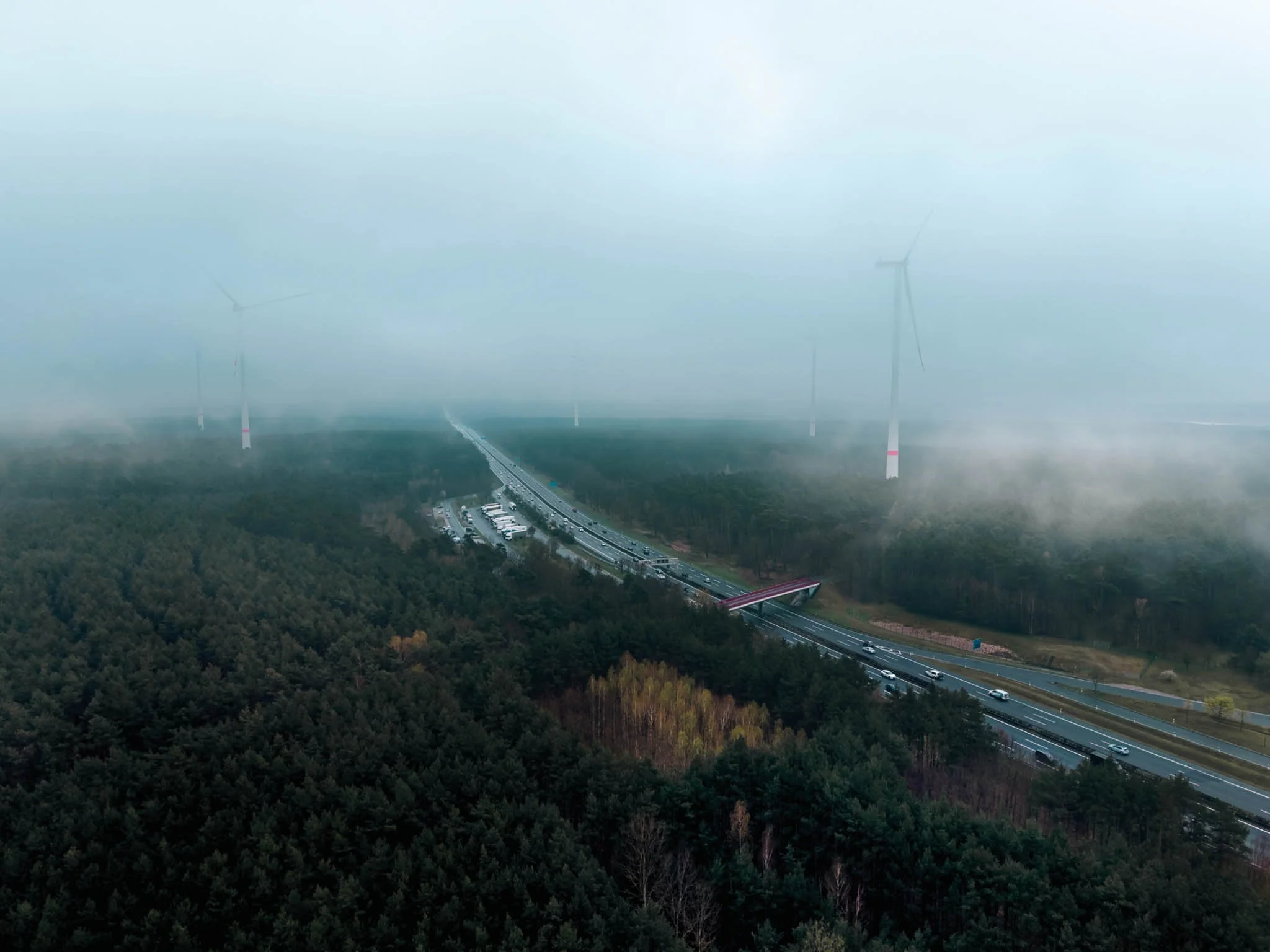
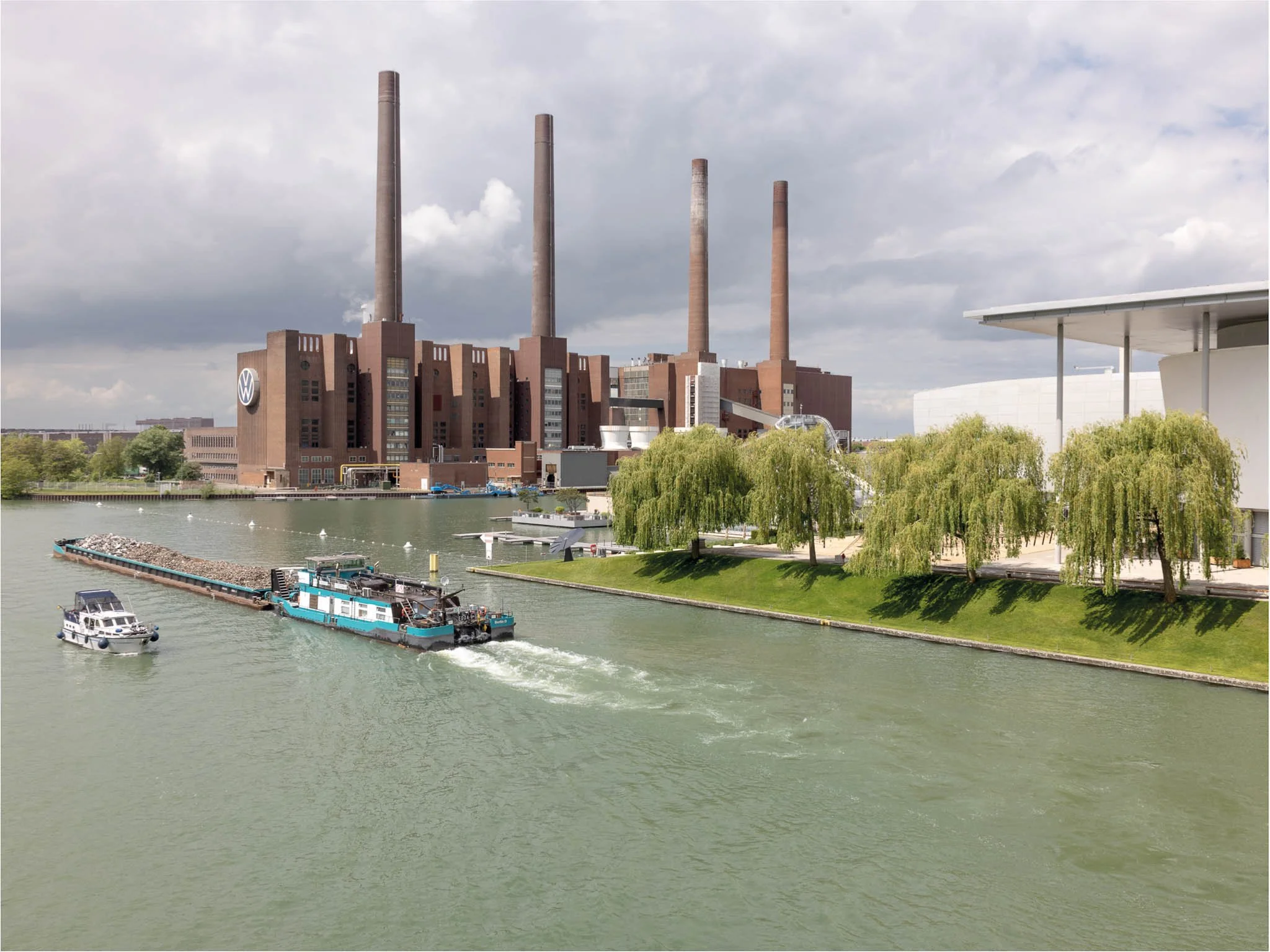
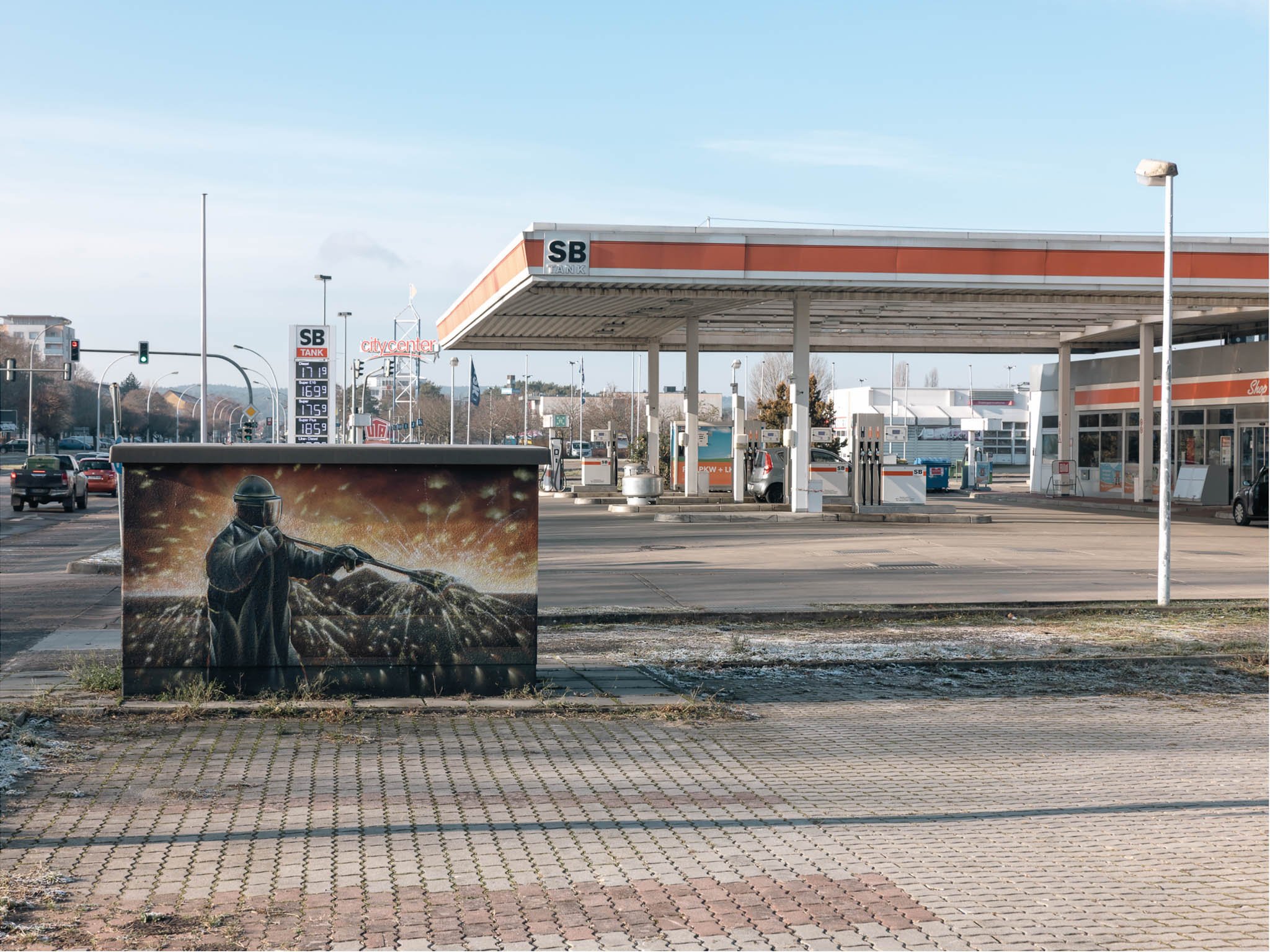
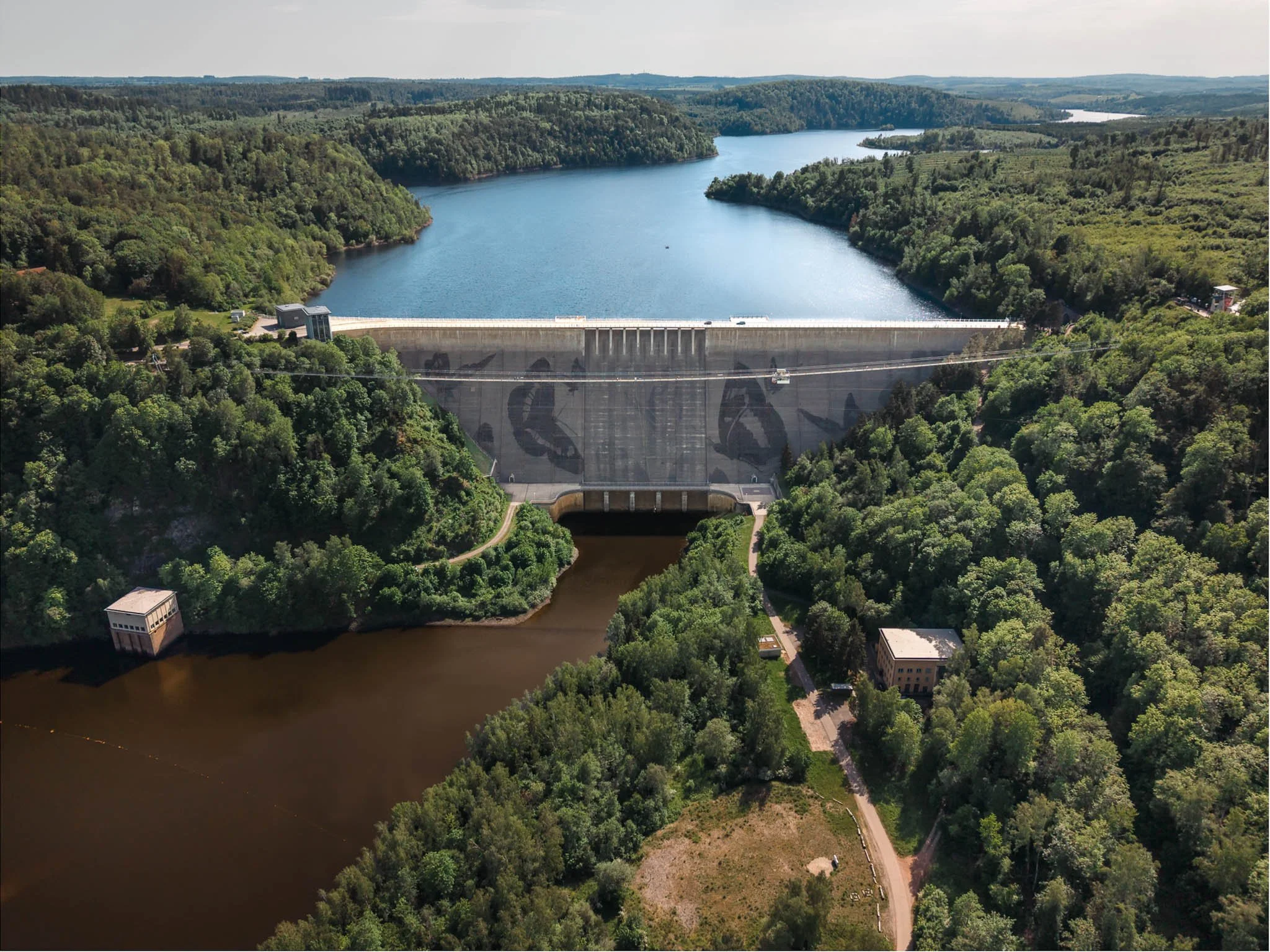
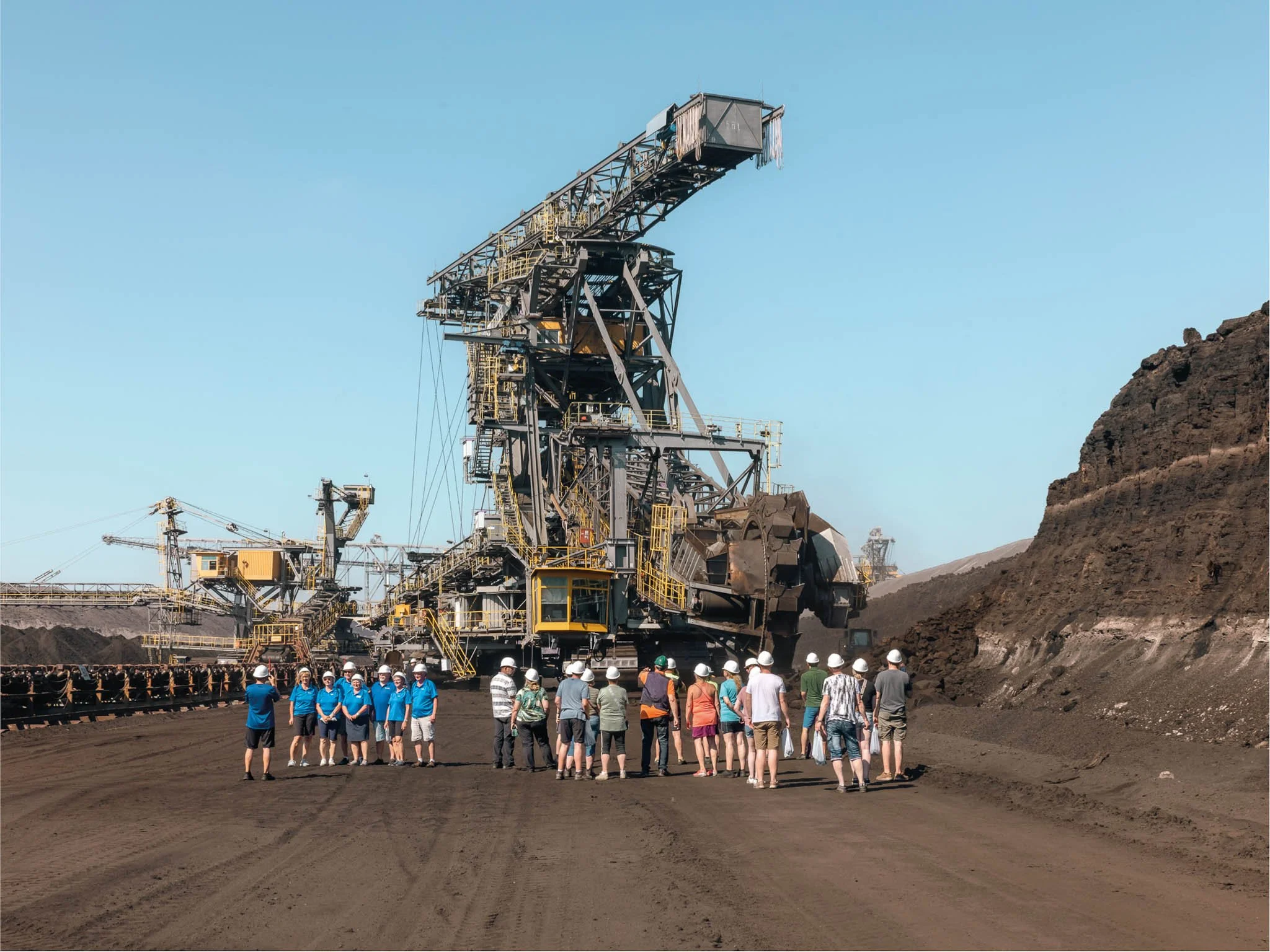
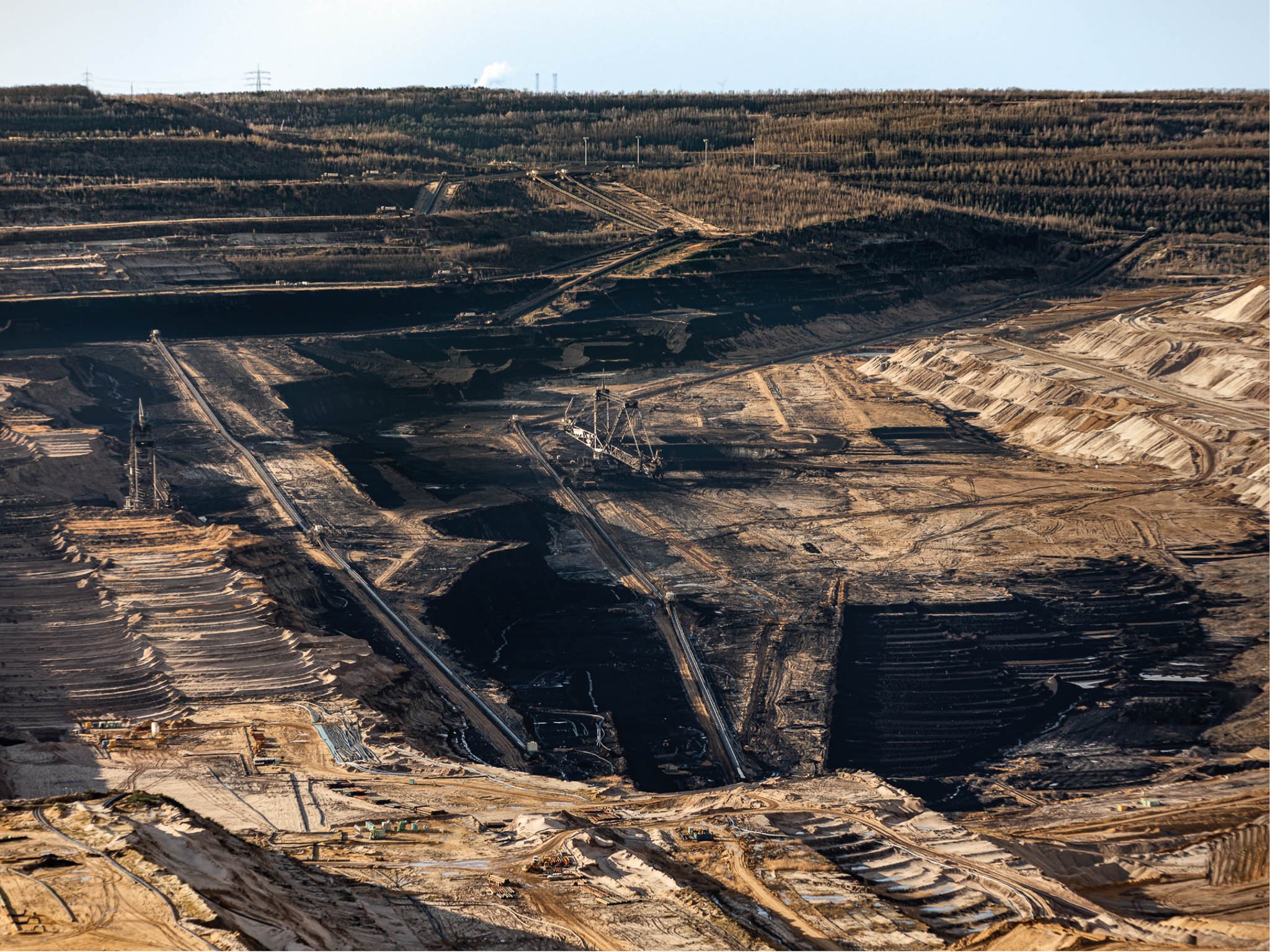
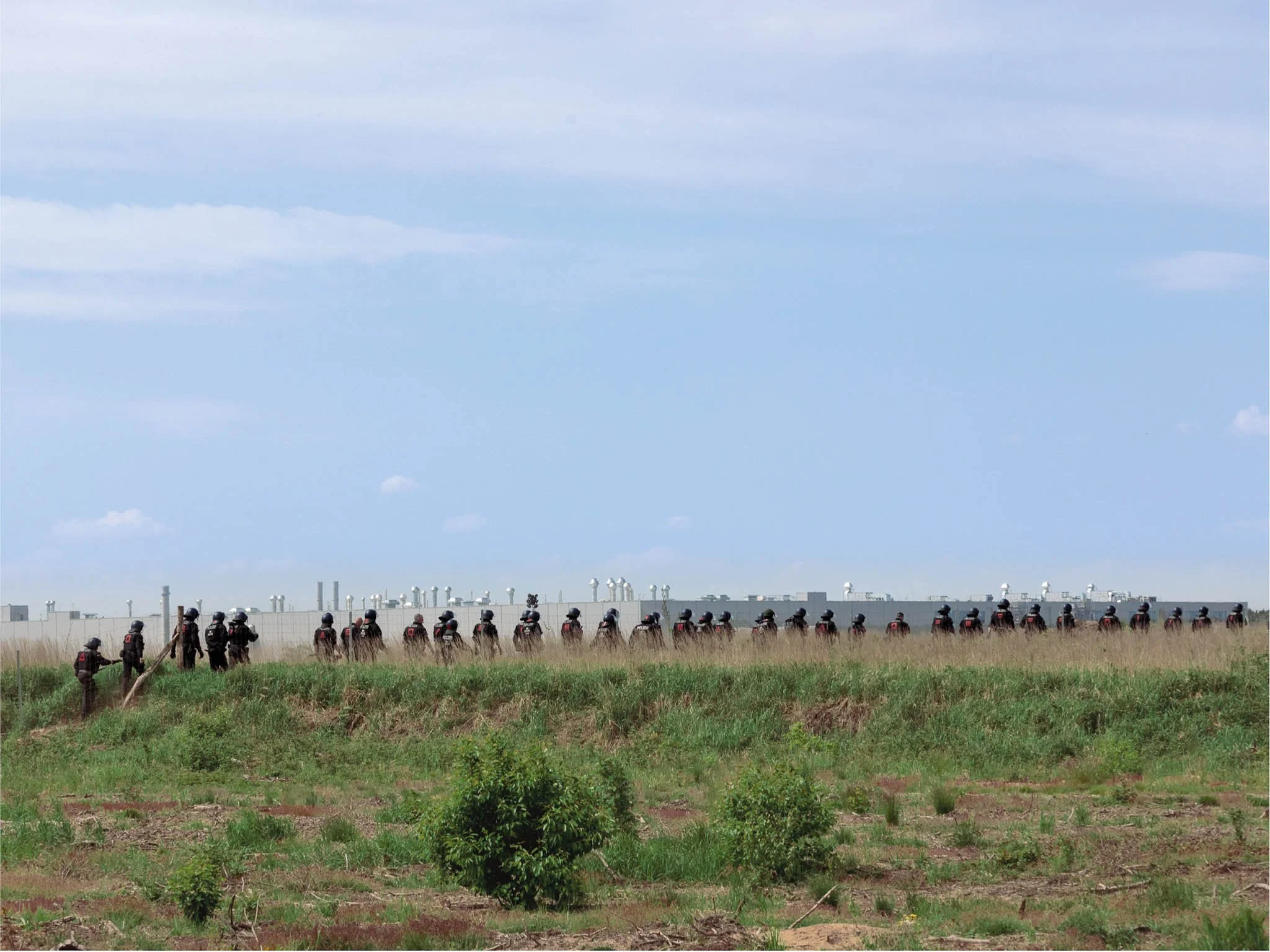
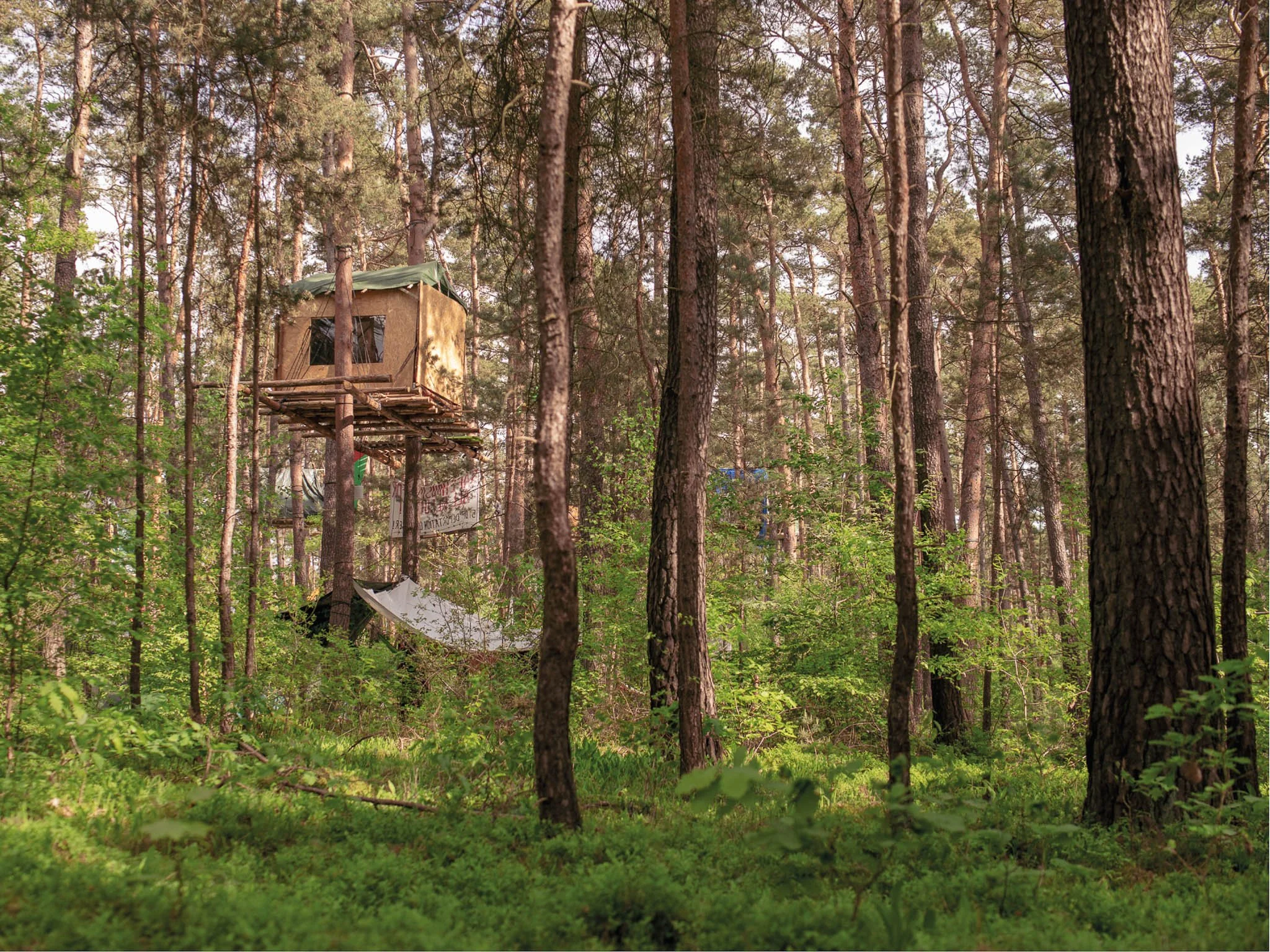
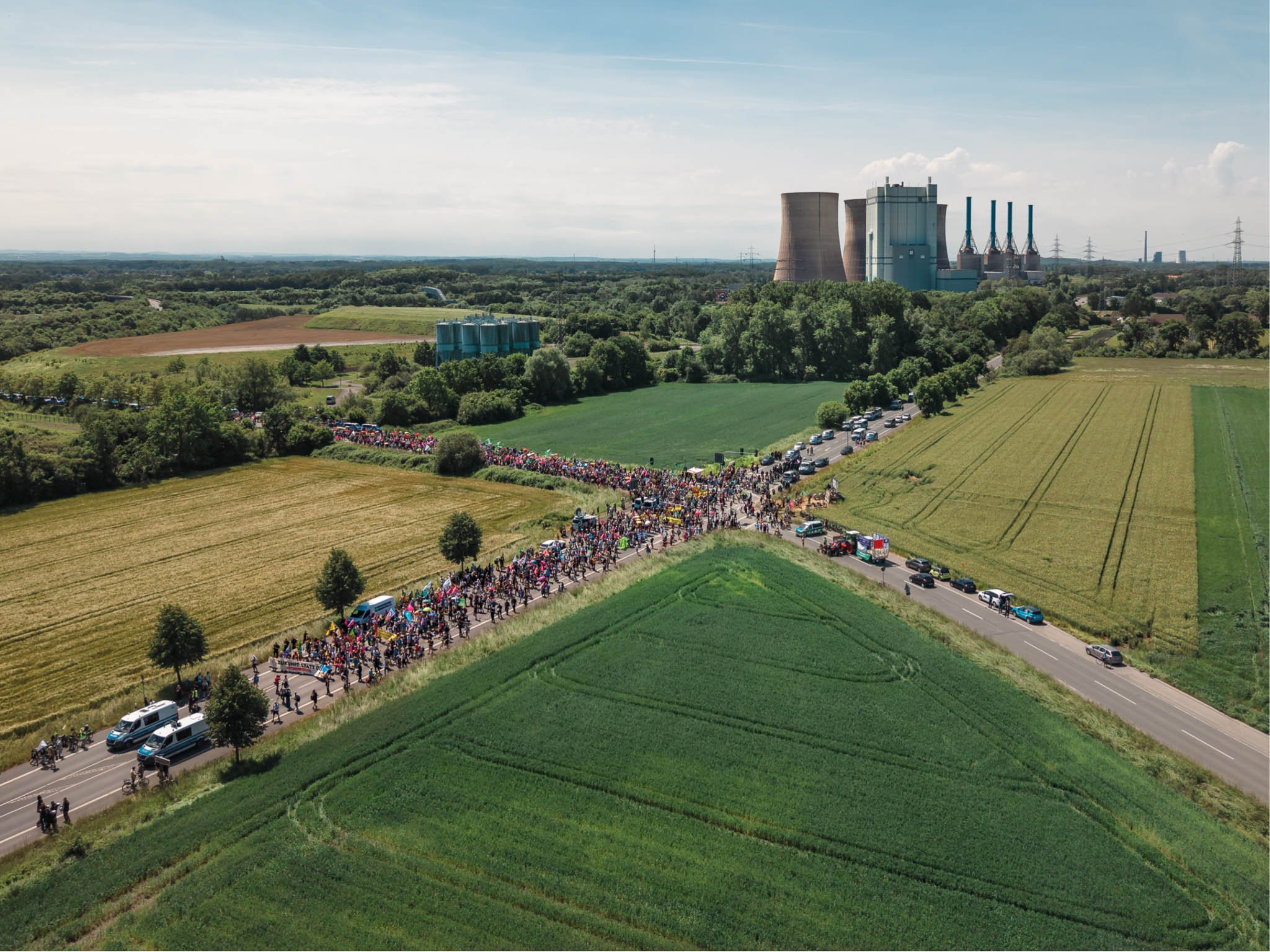
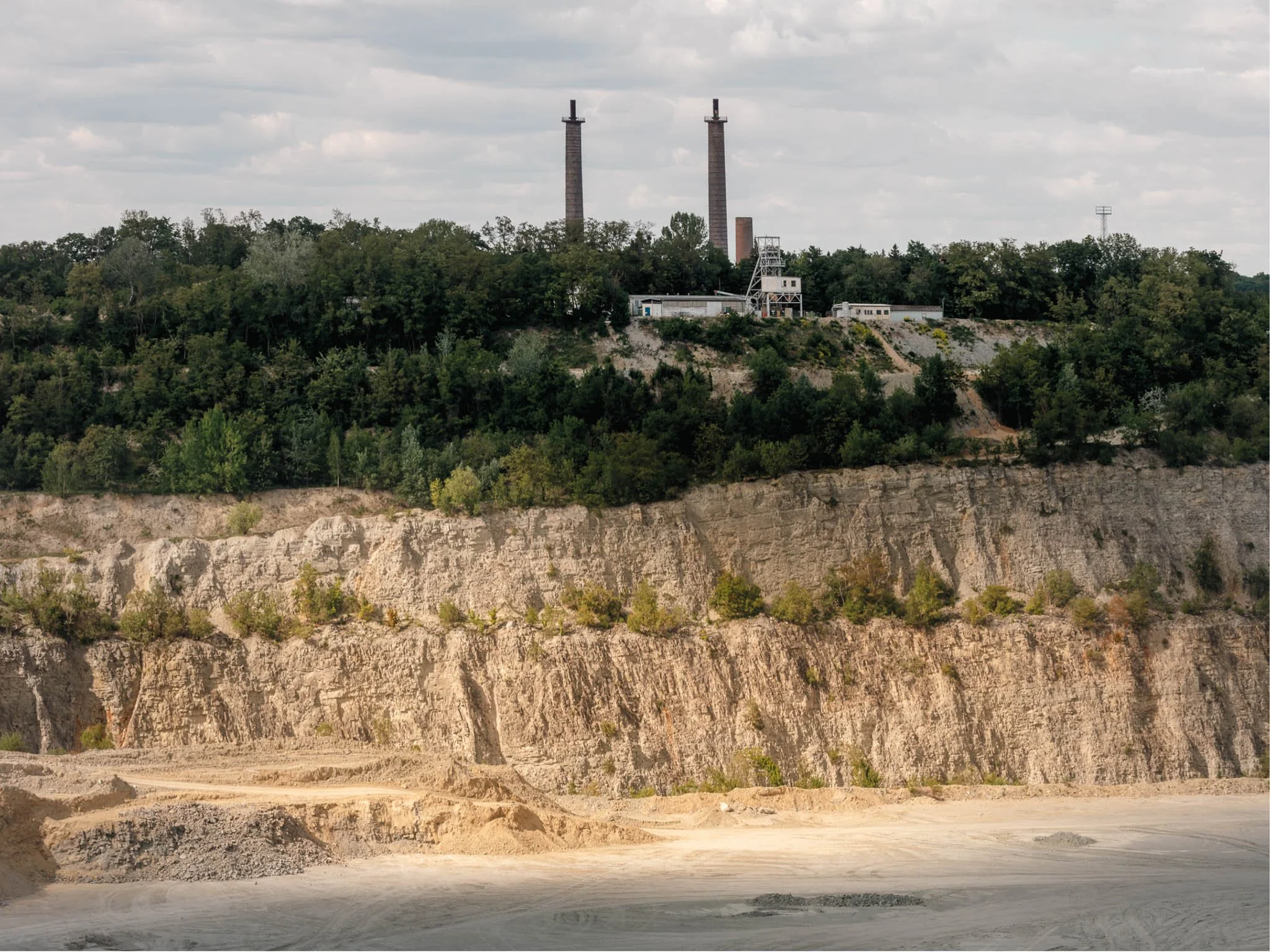
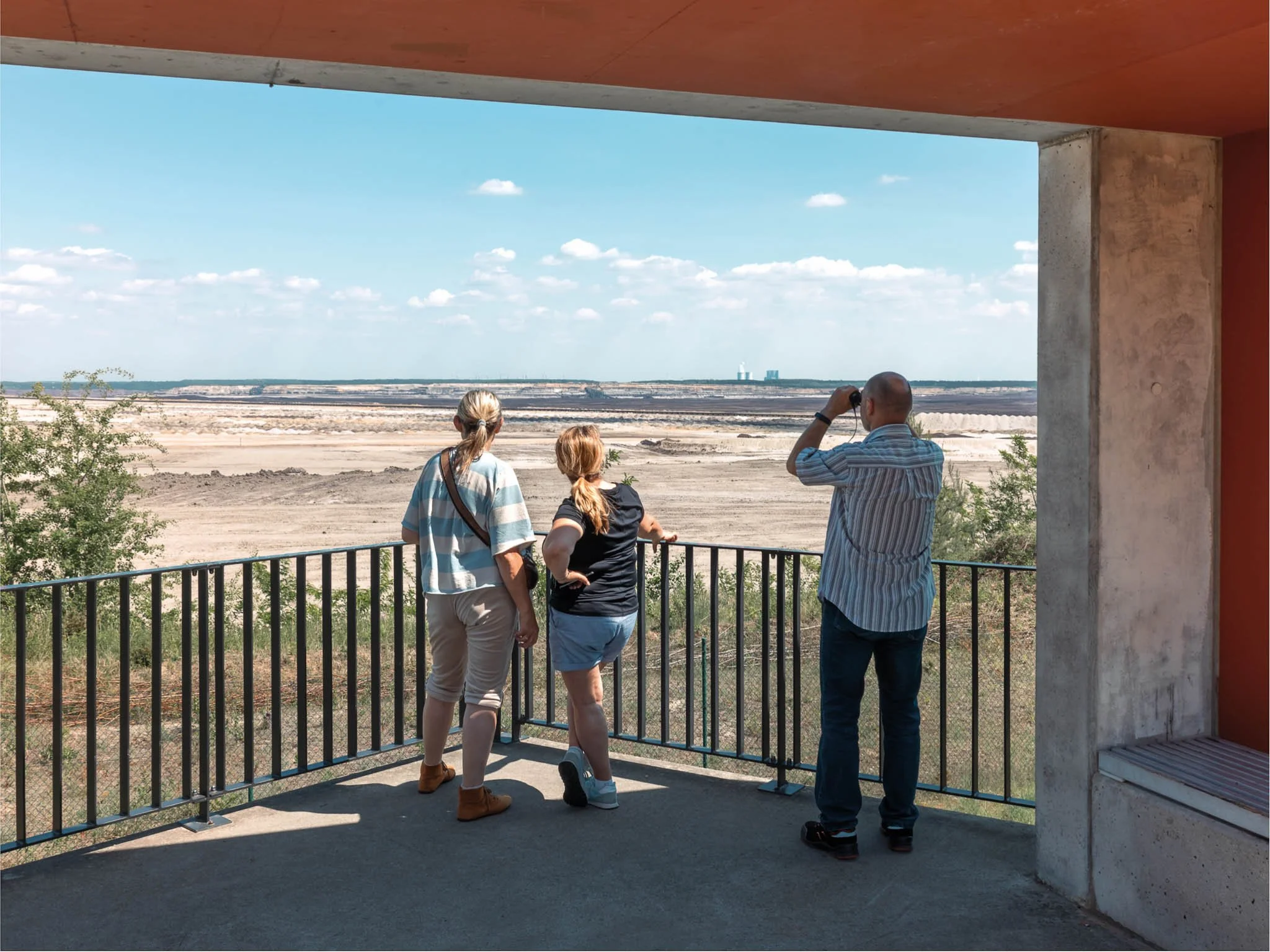
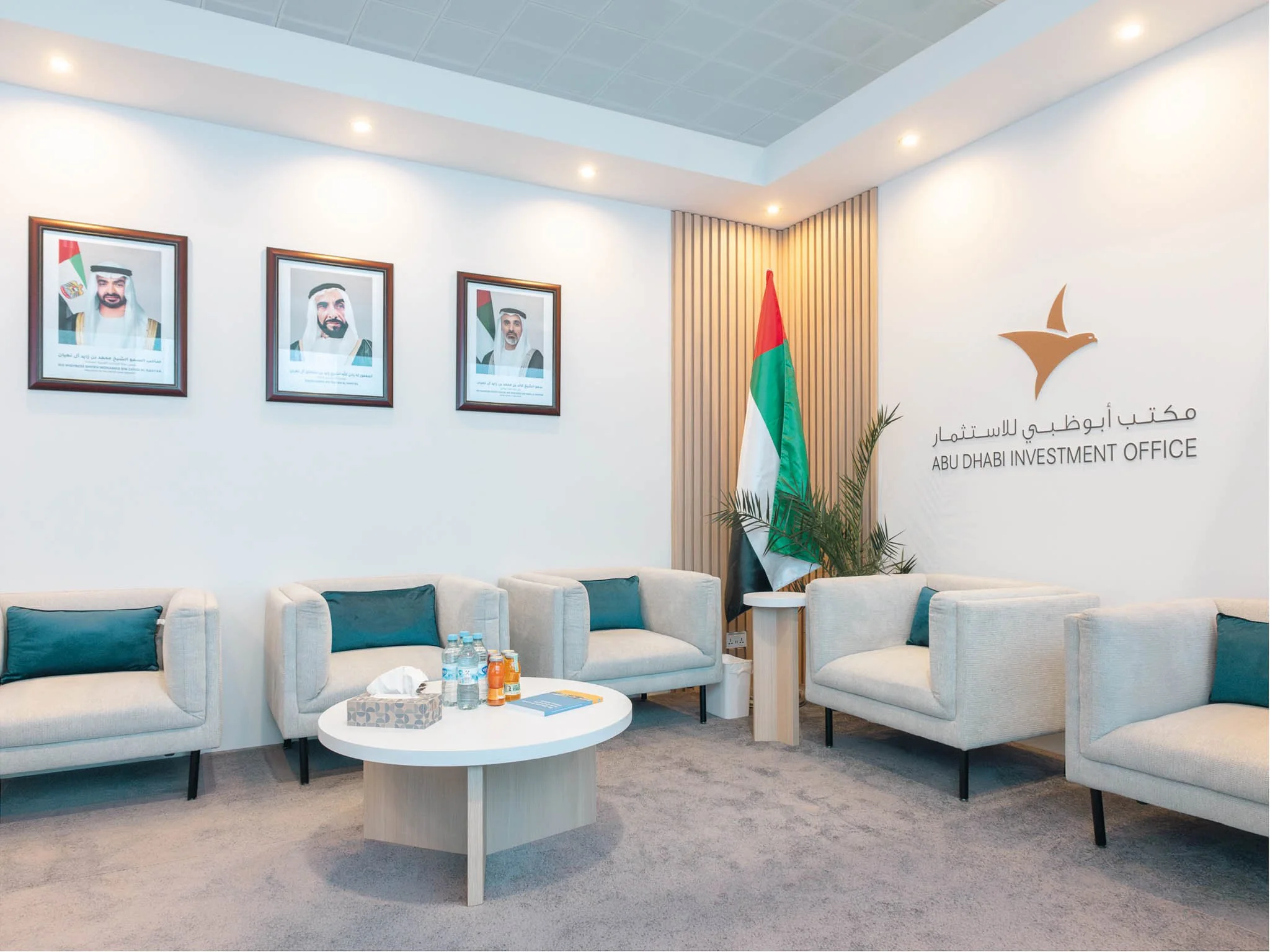
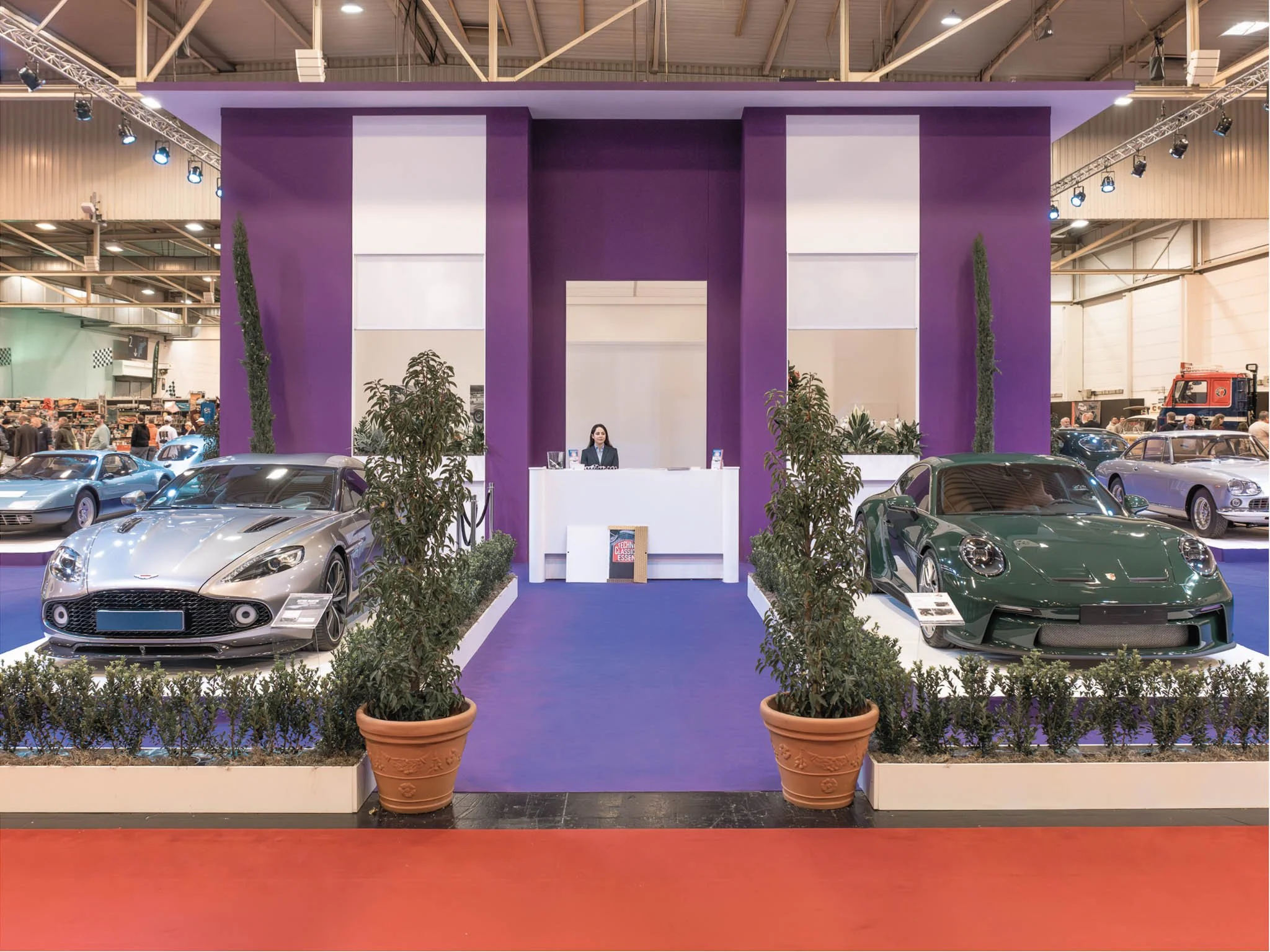
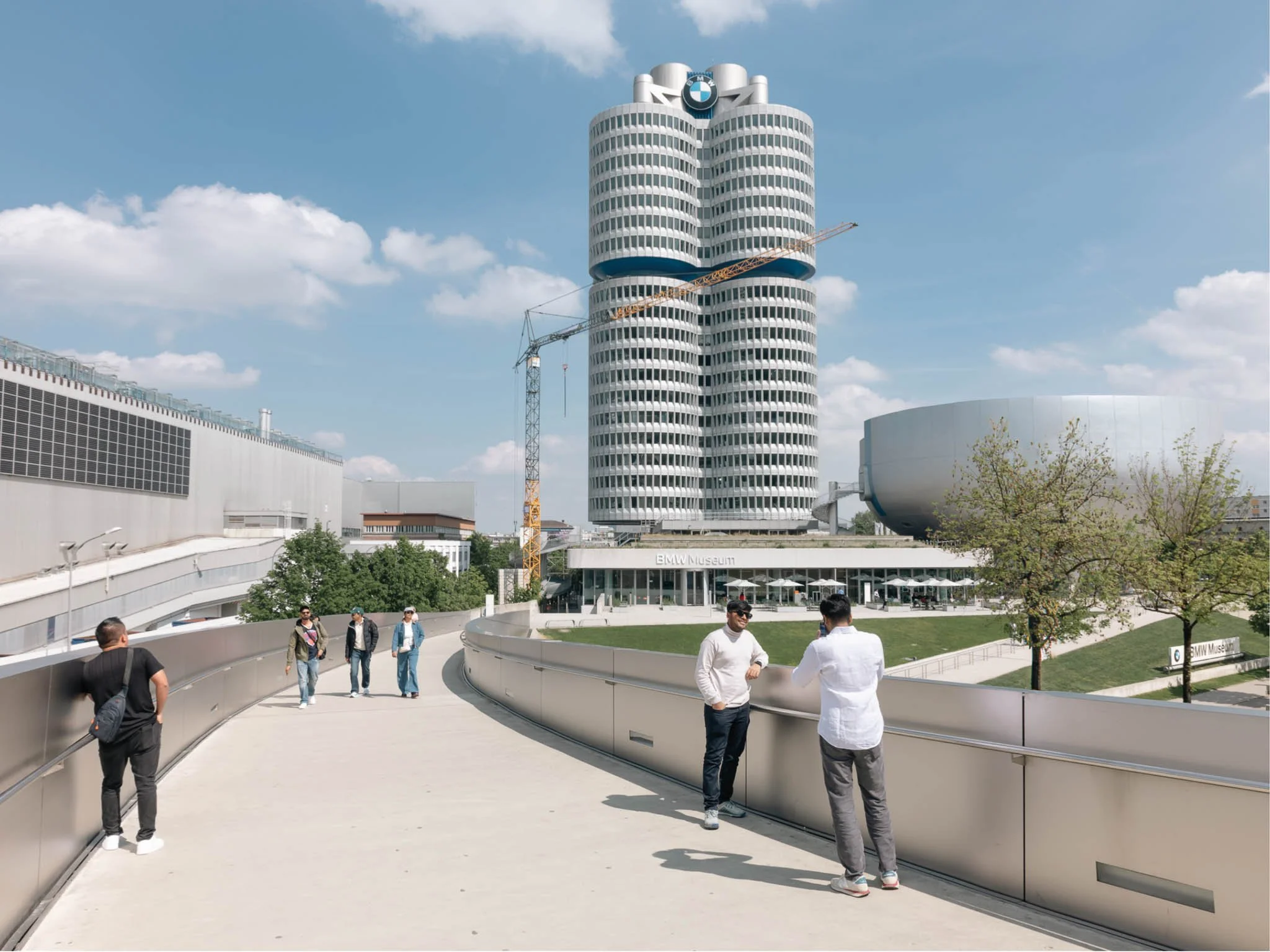
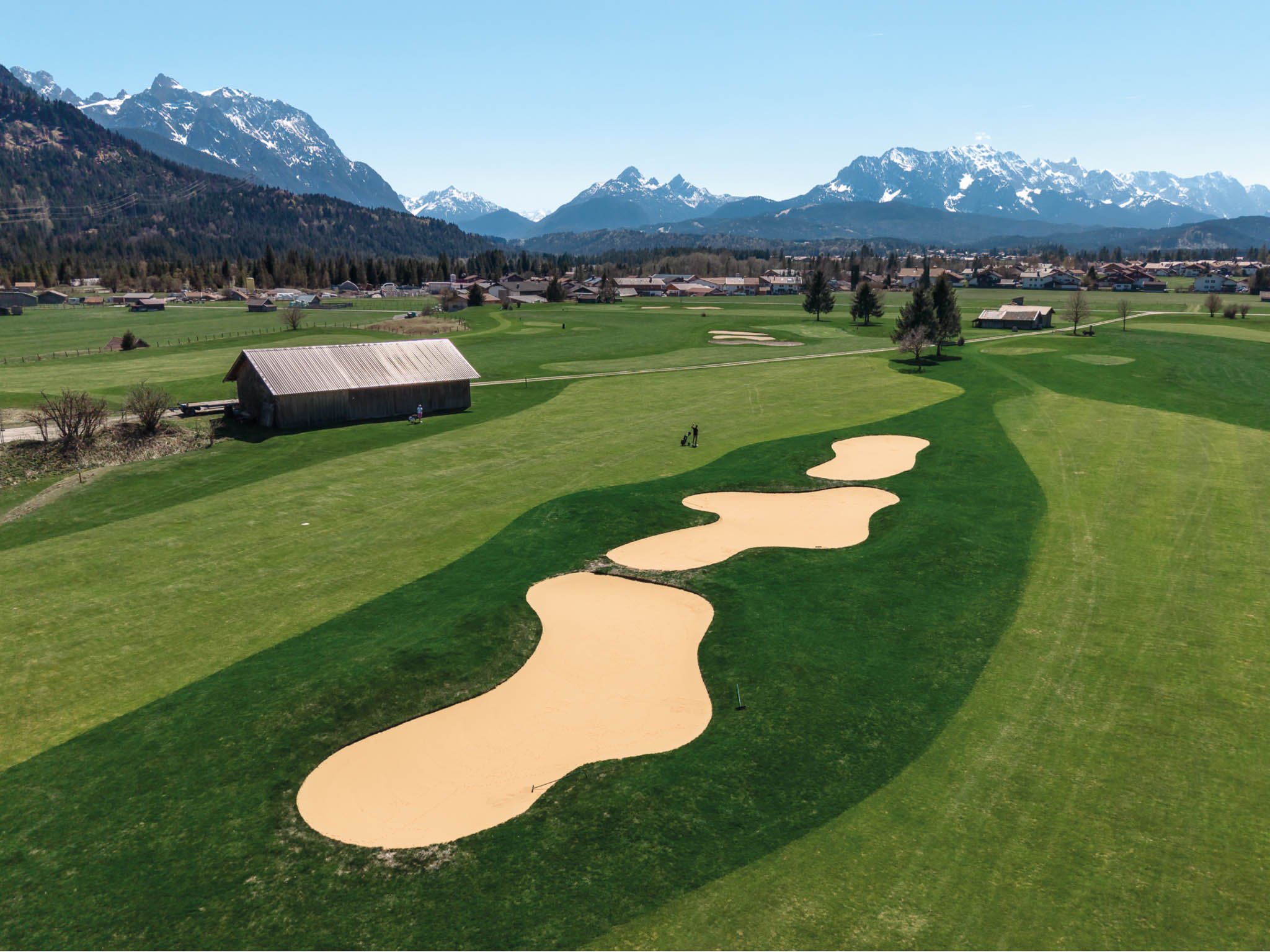
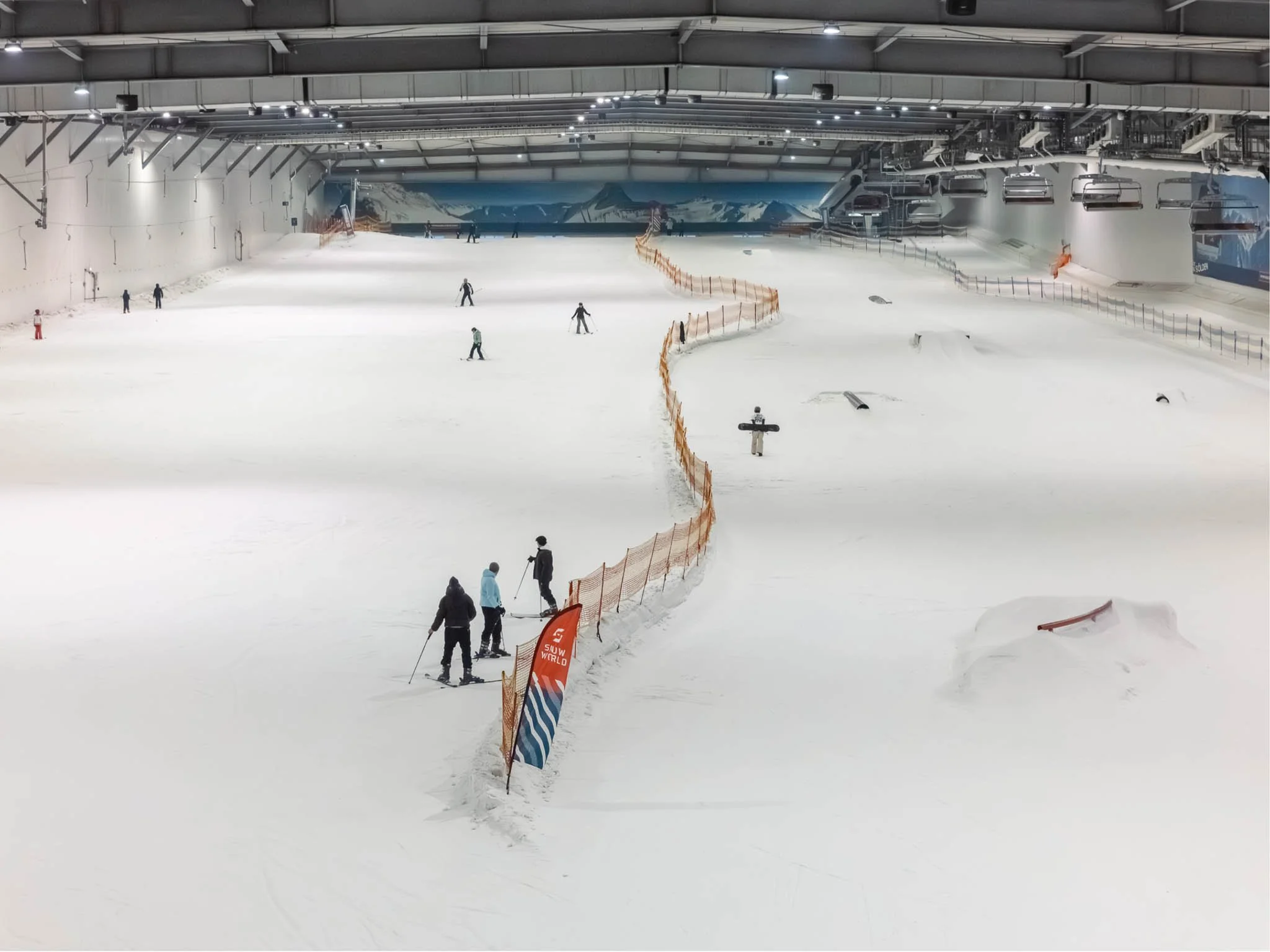
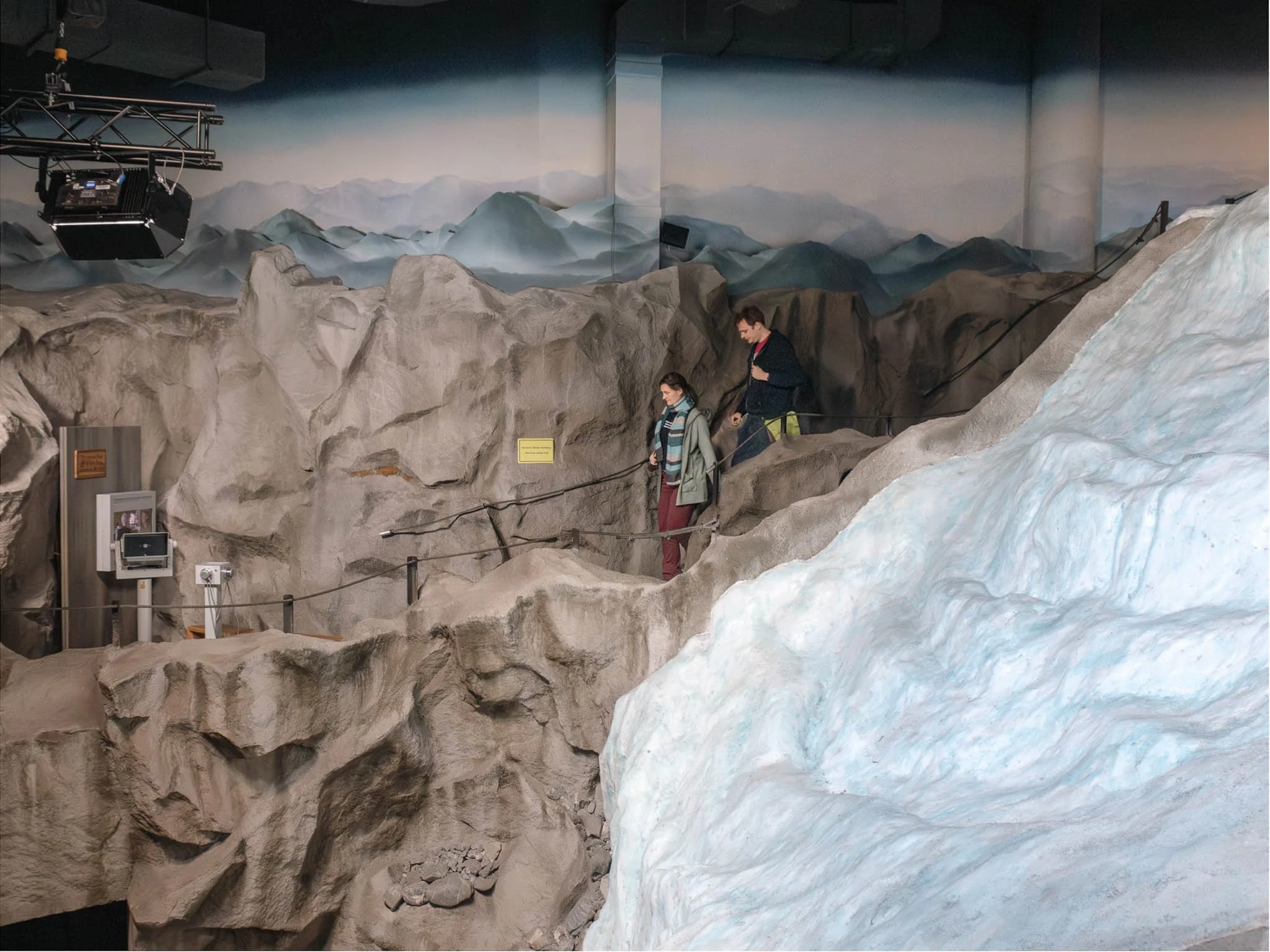
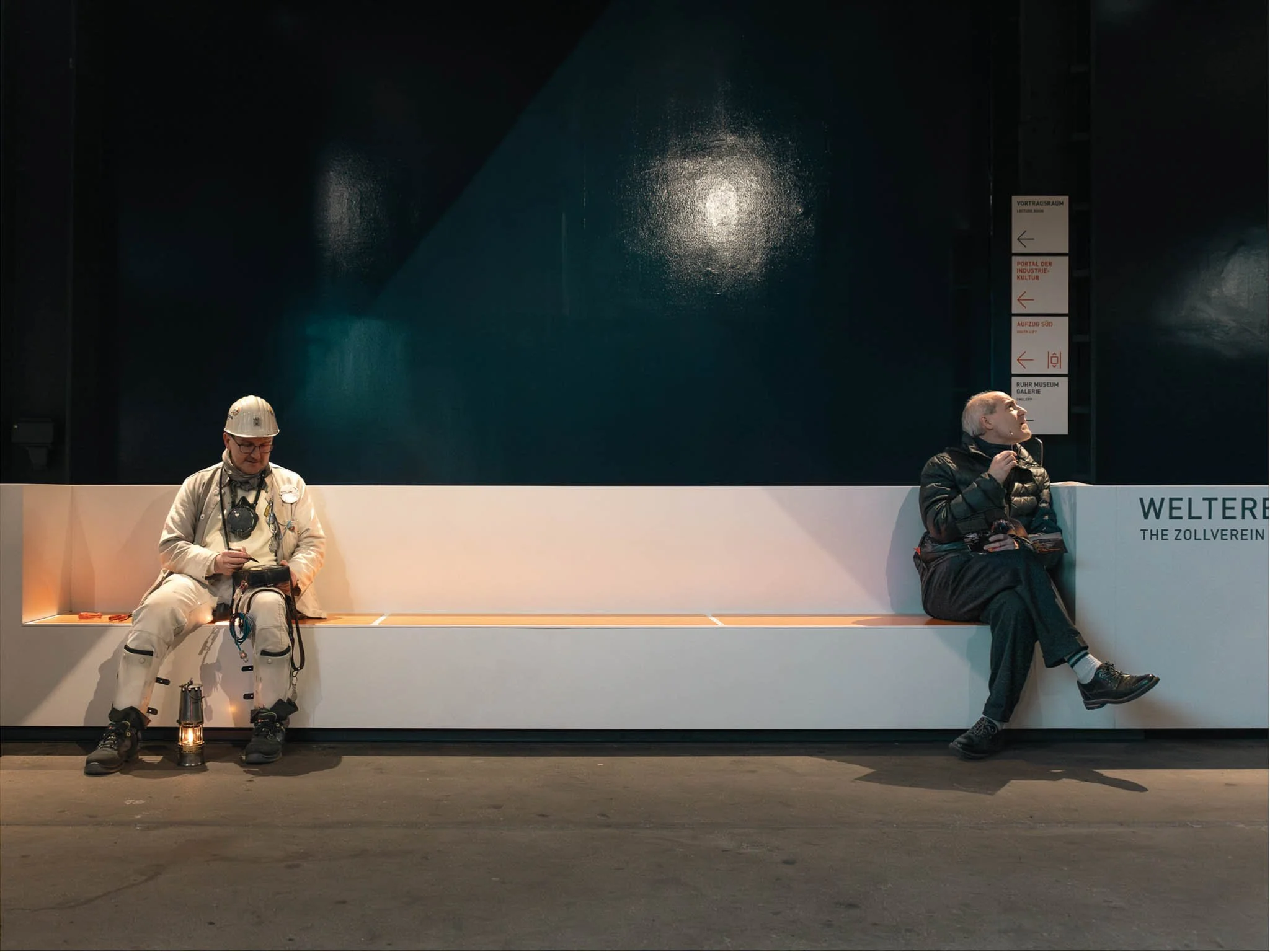
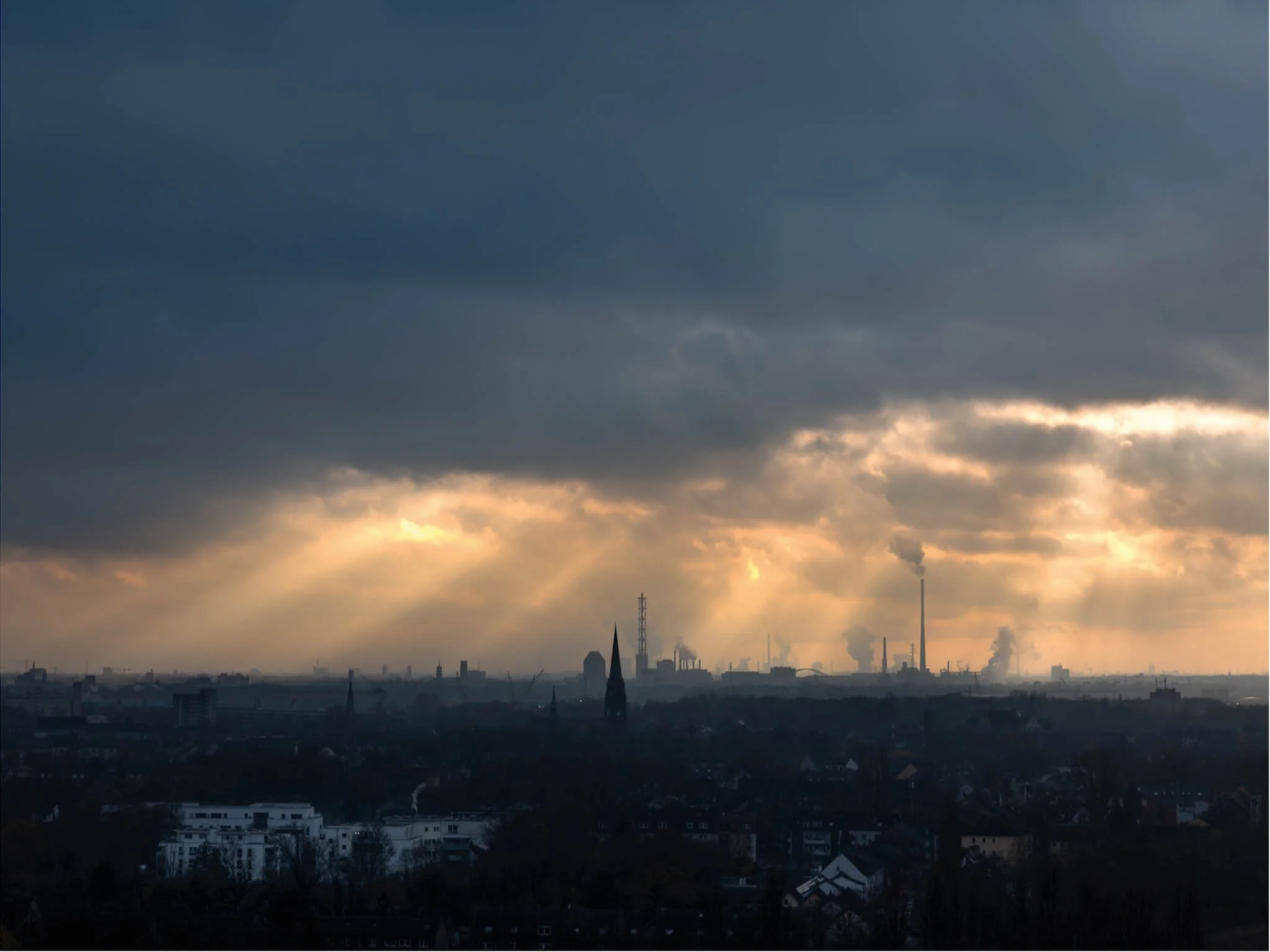
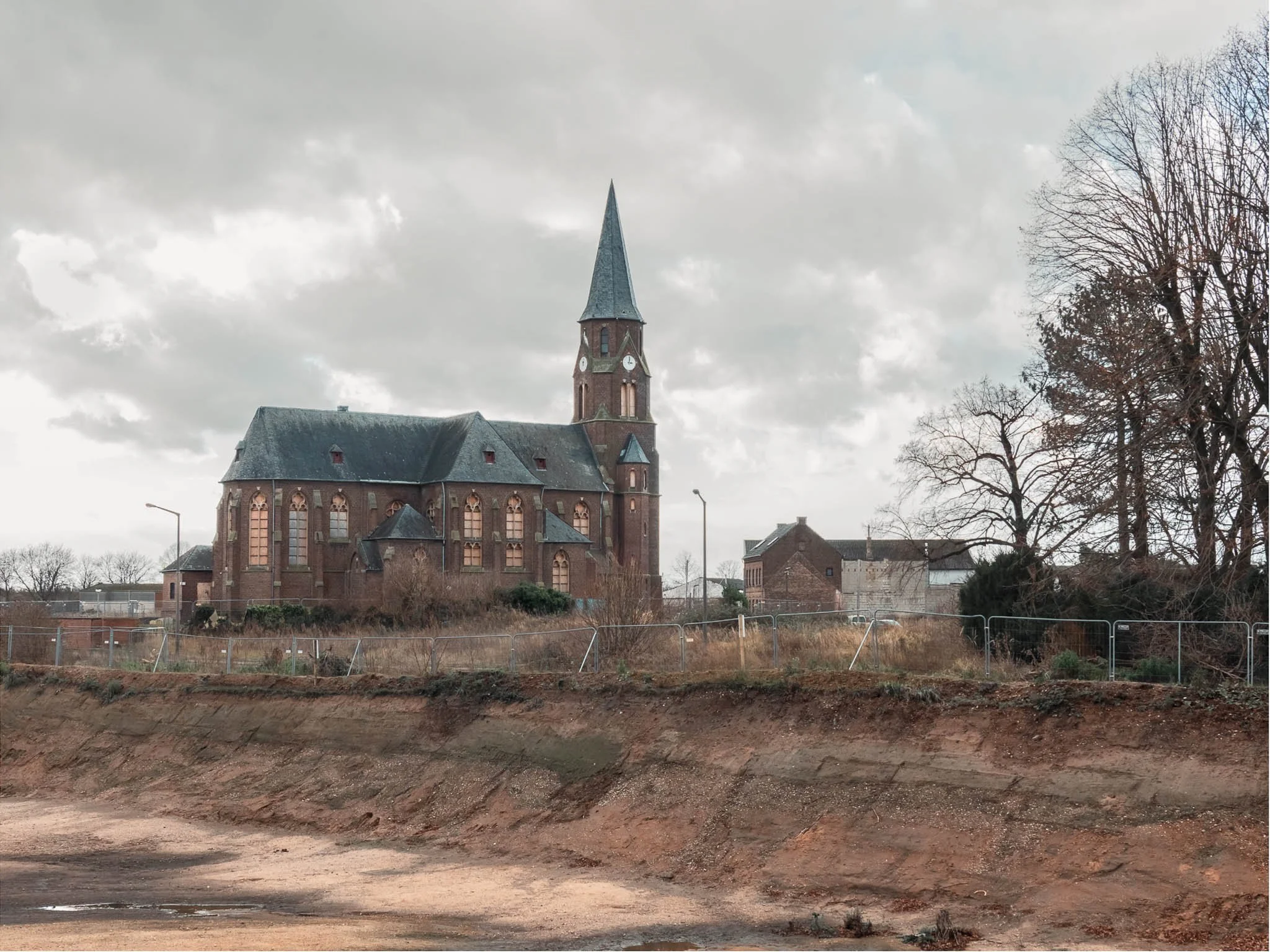
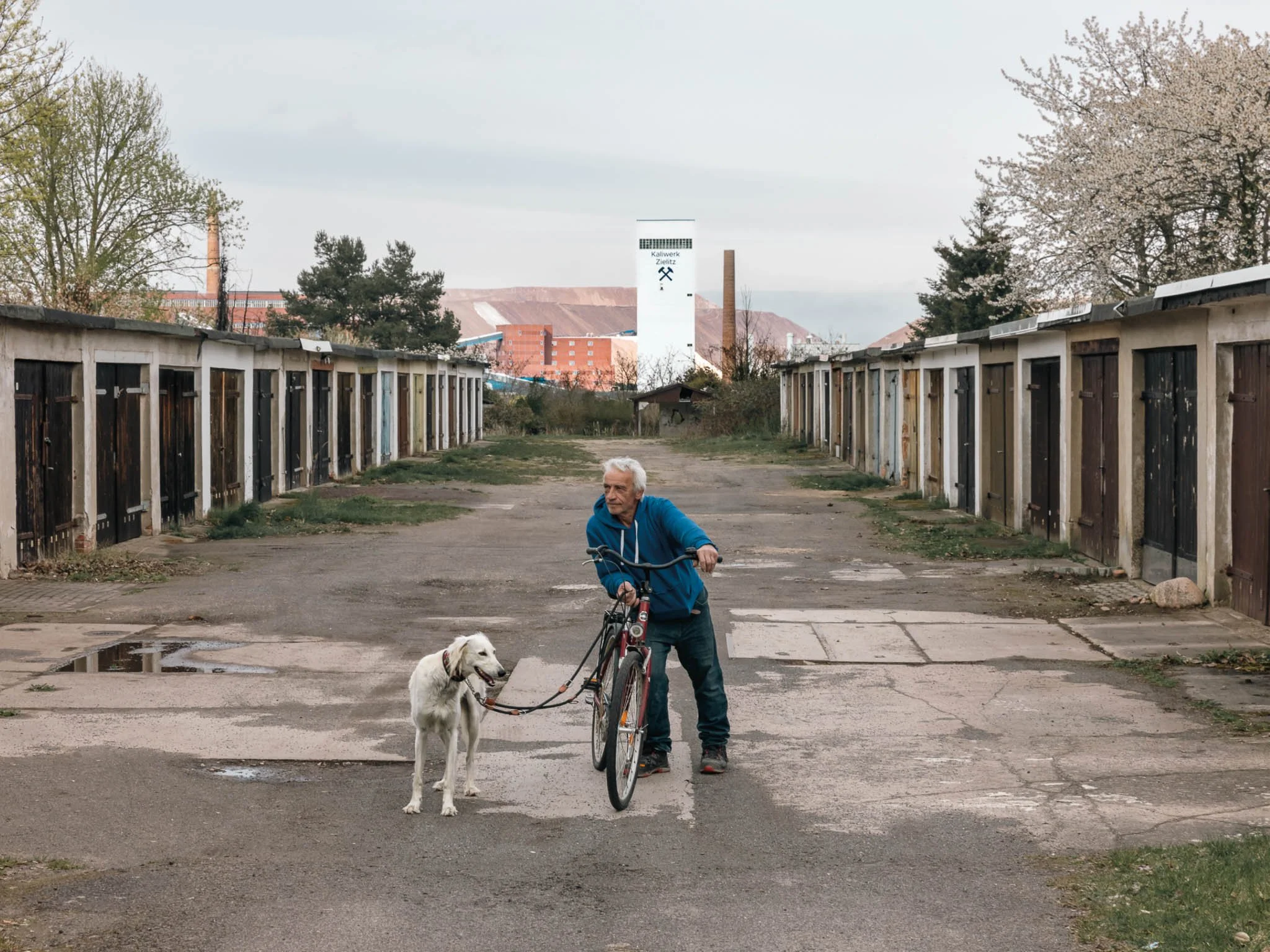
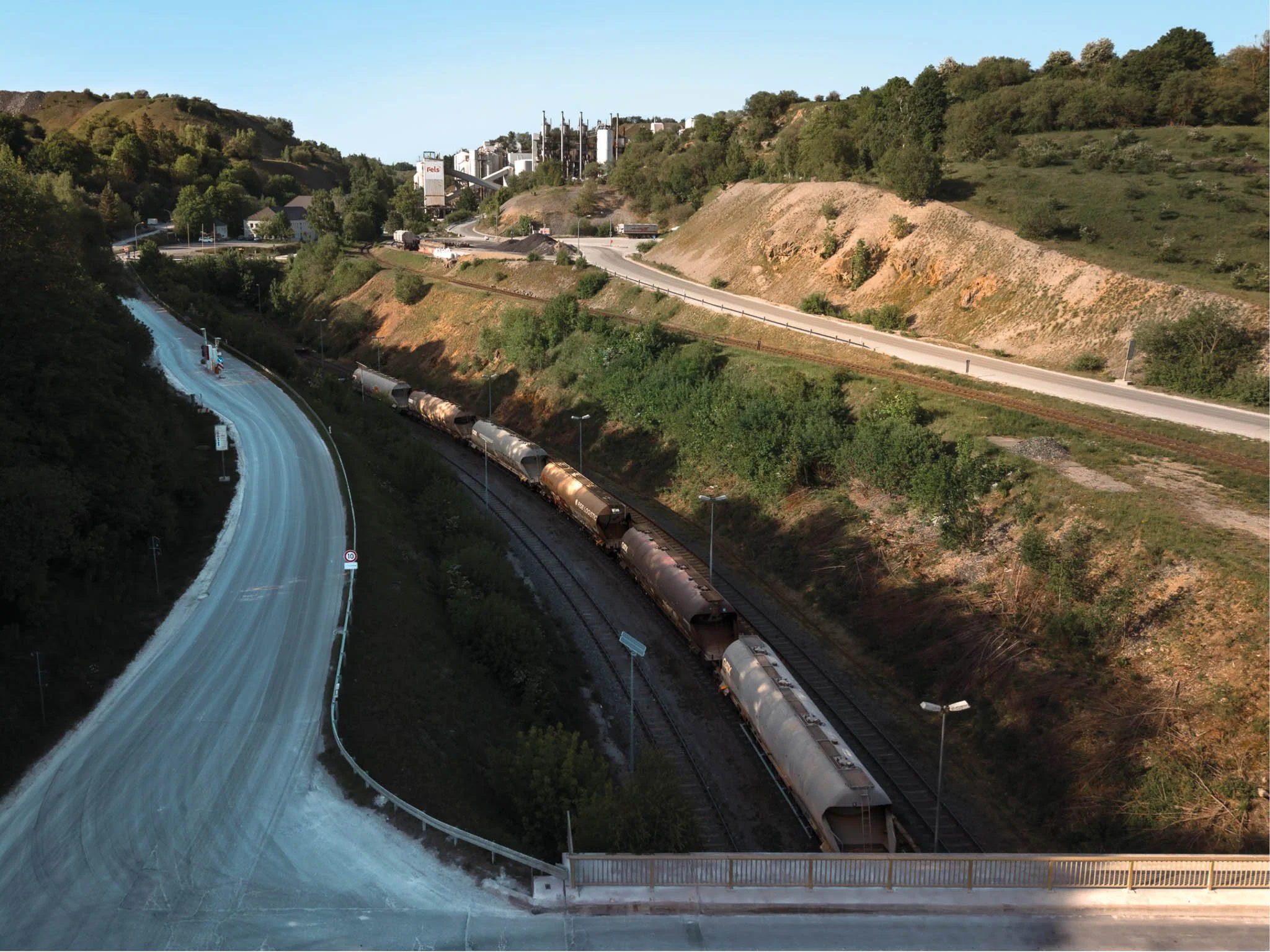
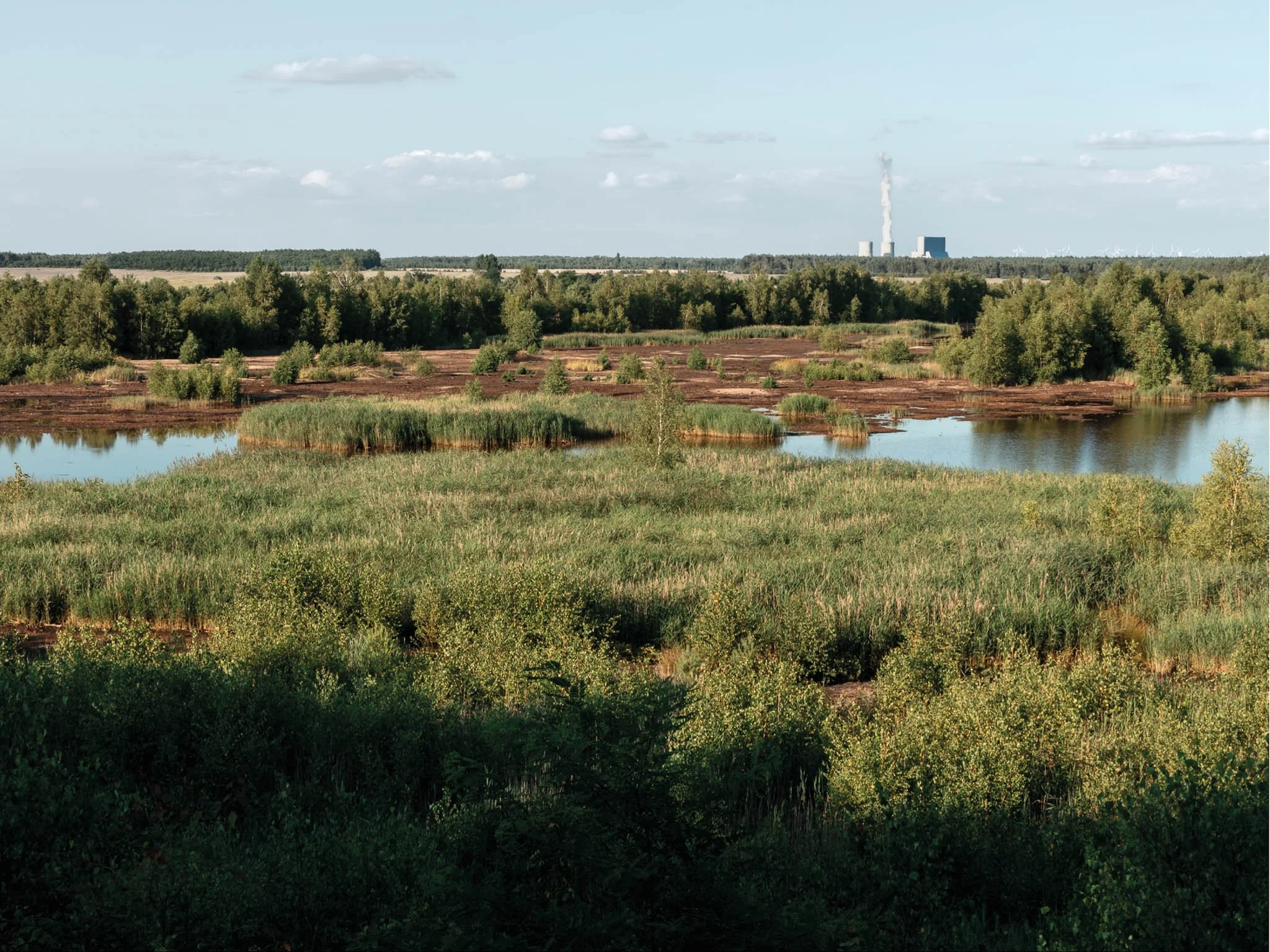
In his photographic work, Jacob Hehlke explores spaces in Germany where human intervention in the landscape and the environment is visible – ranging from destroyed or transformed areas to places where decisions are made regarding land use, energy and resources.
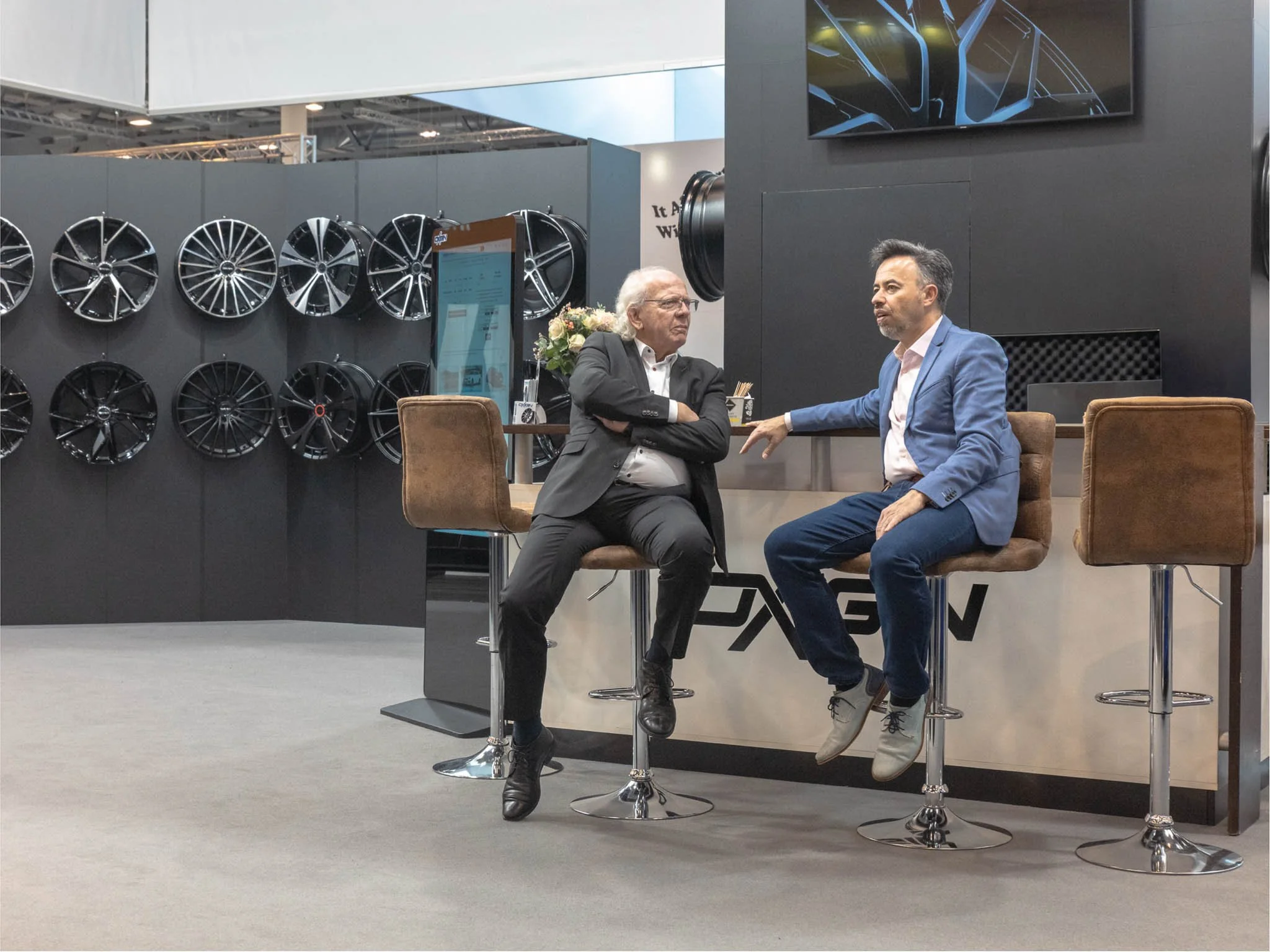
At the heart of his work are sites shaped by industry, energy production and people’s everyday lifestyles.
In doing so, he explores the tensions and contradictions between economic interests, social normality and the long-term consequences of human action.
The title refers to the material that must be removed in mining in order to access the actual raw materials.
At the same time, ‘overburden’ can be understood as a metaphor for the traces left behind by human intervention in the environment.
These places are documented as real and often everyday components of a society shaped by consumption and growth.
The images are characterised by a matter-of-fact visual language that avoids dramatic staging.
It is precisely through this restrained portrayal that the scale of the interventions becomes apparent: the sites appear at once familiar and strange, orderly and destroyed.
For Jacob Hehlke, this is not just about documenting environmental changes; his work raises questions about responsibility, perception and social involvement.
Many of these places symbolise environmental damage, economic development and social needs all at once – they are an expression of a system that makes our everyday lives possible and whose consequences we all share.
“Abraum” brings these interconnections to light and creates a space for reflection.
The project encourages us not to view our environment as unchanging nature, but as the result of human intervention and interests.
Jacob Hehlke’s photographs reveal the ambivalence between technological progress and ecological loss, and invite us to reconsider the consequences of our actions.